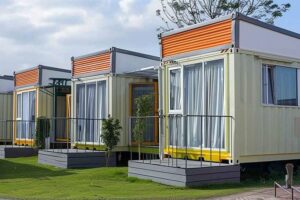

2025 South Africa 3-Bedroom Container Houses for Seniors
Did you know seniors in South Africa can now access affordable, durable 3-bedroom homes built from shipping containers? These innovative homes offer customization, energy efficiency, and comfort—designed to meet senior needs. Discover practical planning insights.
Related Topics (Sponsored Ads)
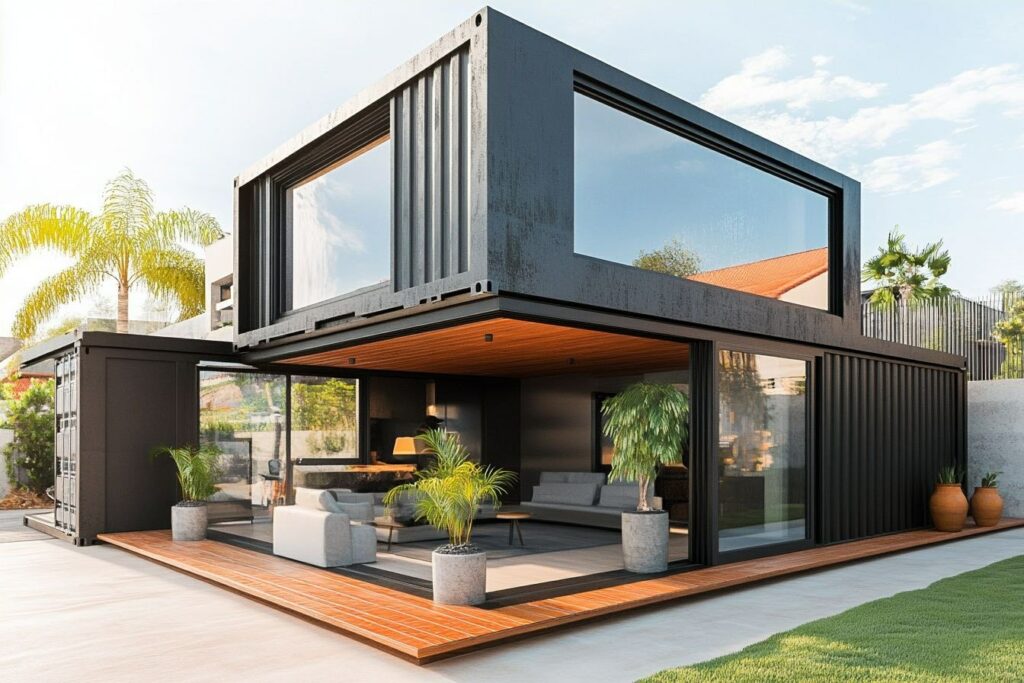
Understanding the Cost of 3-Bedroom Container Homes in South Africa
In 2025, the pricing structure for container homes includes multiple components—the base container itself, conversion costs, land, and associated permissions and fees.
Purchasing the Container: A used 40-foot shipping container is a common starting point for container home construction. Prices typically range from approximately R25,000 to R55,000 ($1,750 to $3,850), depending on the container’s condition and availability.
Conversion and Modification: Converting a raw container into a livable home involves several steps, including:
- Insulation for temperature and sound control
- Electrical wiring installation
- Plumbing setup
- Doors and windows fitting
- Interior finishing such as flooring, walls, and cabinetry
These conversion costs generally range between R80,000 and R150,000 ($5,600 to $10,500).
Layout and Size Considerations: For 3-bedroom homes, multiple containers are often combined and joined to create a layout similar to traditional houses. This can increase the base container and conversion costs proportionally. However, container homes may remain less costly than typical brick-and-mortar equivalents, depending on design choices and location.
Additional Expenses: Buyers should also consider:
- Land purchase or lease costs
- Planning and building permits
- Professional fees (architects, engineers, contractors)
- Infrastructure connection costs (water, sewage, electricity)
Overall, a complete 3-bedroom container home package in South Africa may be an option for seniors seeking more affordable housing alternatives, often at a lower cost than similarly sized traditional homes, though this varies by location and specifications.
Features Commonly Included in 3-Bedroom Container Homes Designed with Seniors in Mind
While container homes do not have widely standardized senior-specific designs, they can offer adaptable features that may suit seniors’ preferences and needs:
Accessibility and Mobility Support
Container homes can be customized to include features such as:
- Wider doorways and hallways to accommodate wheelchairs or walkers
- Ramps in place of stairs or low-threshold entrances
- Spacious bathrooms with grab rails and walk-in showers
Thermal Comfort and Insulation
Proper insulation supports comfortable indoor temperatures. Many container homes use insulation materials designed to help maintain consistent temperatures, which may reduce heating and cooling needs.
Energy Efficiency and Sustainability
Some container homes integrate solar panels and rainwater harvesting systems, which can help reduce utility use and contribute to a more sustainable living environment.
Compact and User-Friendly Layouts
Modular design allows for various layout options. A 3-bedroom container home might include:
- A master bedroom with an en-suite bathroom
- Additional bedrooms suitable for family visits or caregivers
- Open-plan kitchen and living spaces that optimize functionality and natural light
Speed and Convenience of Construction
Container conversion processes can be faster than conventional building, potentially reducing construction timelines.
Benefits to Consider When Exploring Container Homes for Senior Living in South Africa
Container homes may offer a combination of several advantages for seniors considering alternative housing options:
Affordability
Container homes often involve lower construction and maintenance costs compared to traditional homes, which may be suitable for seniors on fixed incomes.
Durability and Safety
Constructed from robust corten steel shipping containers, these homes are designed to be structurally strong and long-lasting.
Sustainability
Using repurposed shipping containers can reduce construction waste. Features such as solar power may also contribute to lowering environmental impacts.
Flexibility and Scalability
Modular construction allows the possibility of starting with a smaller home and expanding or modifying it as needs change.
Location Flexibility
Container homes can be placed on a variety of land types—preferably flat and accessible—and potentially near urban centers to facilitate access to healthcare and amenities.
Community Opportunities
Clustered container homes can be arranged to foster senior-friendly communities that encourage social interaction, safety, and mutual support.
Important Considerations for Planning a Container Home Suitable for Seniors
To support a positive experience when considering a 3-bedroom container home, the following factors may be helpful:
Land Assessment: Choose a location that is accessible and complies with zoning regulations; flat or gently sloping land is preferable.
Professional Advice: Consult with architects or builders experienced in container home construction and senior-oriented design to incorporate suitable accessibility and safety features.
Budget Preparation: Develop a detailed budget covering containers, conversion, land costs, permits, and other related expenses.
Permits and Regulatory Compliance: Verify and obtain necessary building permits and adhere to municipal requirements.
Sustainability Features: Consider including energy-saving and water management options to improve efficiency over time.
Customization: Plan layouts that support mobility, convenience, and comfort, factoring in possible future needs associated with aging.
In 2025, container homes in South Africa present an alternative housing opportunity for seniors interested in affordable, customizable, and sustainable 3-bedroom homes. Base containers may cost between R25,000 and R55,000, with conversion expenses typically ranging from R80,000 to R150,000, offering a potentially less expensive option compared to traditional homes. With adaptable designs, energy-efficient systems, and a solid structural base, container homes can be considered as a living option to explore. Seniors considering this housing type are advised to seek professional guidance, plan budgets carefully, and select appropriate land to align with their individual needs and preferences.
Sources
Disclaimer: All content, including text, graphics, images and information, contained on or available through this web site is for general information purposes only. The information and materials contained in these pages and the terms, conditions and descriptions that appear, are subject to change without notice.