

Discovering Eco-Friendly Prefab Wooden Homes and Vacation Cottages in Canada: Key Insights for 2025
Did you know prefab wooden homes combine sustainability and energy efficiency in ways that can suit Canada’s climate? This article provides information about these innovative designs, including practical features, eco-conscious options, and emerging trends relevant to seniors and vacation homeowners in 2025.
Related Topics (Sponsored Ads)
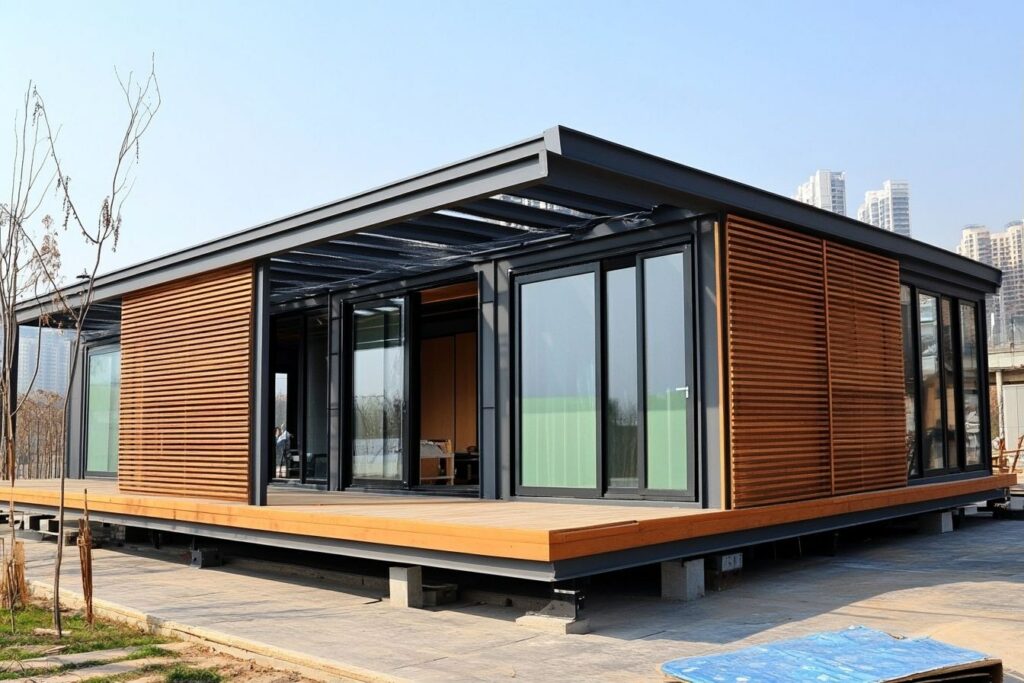
Insights into Prefab Wooden Homes in Canada
Prefabricated wooden homes—built from factory-produced components then assembled onsite—offer several advantages in Canada’s diverse and often challenging climates:
- Speed and efficiency: Prefab wooden homes can be erected in days or weeks rather than months, which may help minimize delays related to weather or labor shortages seen in traditional construction.
- Affordability: Factory-controlled processes can reduce waste and labor costs. Some stick-built wooden prefab kits offer relatively affordable options and support DIY assembly that may lower expenses.
- Eco-friendliness: Wood is a renewable, carbon-storing resource that, when sourced responsibly (e.g., FSC-certified lumber), has a potentially lower environmental footprint compared to steel or concrete.
- Energy efficiency: Modern prefab wooden homes can incorporate advanced insulation options and climate-specific designs intended to enhance thermal performance and reduce energy use.
- Health considerations: Wood’s natural hygroscopic properties can help regulate indoor humidity, potentially contributing to a healthier indoor environment—an aspect of interest for some seniors.
- Customization: Prefab wood homes include a range from rustic log cabins to contemporary designs, combining traditional warmth with architectural flexibility.
Government programs such as Canada’s Build Canada Homes support prefab construction as one approach to national housing goals, providing a favorable context for prefab home options in 2025.
Energy-Efficient Features and Climate-Adapted Design for Canadian Prefab Homes
Canada’s cold climate calls for thoughtful design to optimize energy efficiency and comfort, important for seniors and vacation homeowners who may value low maintenance and year-round usability.
- Insulation materials: Timber frame and stick-built homes can integrate super-insulated wall assemblies using materials like structural insulated panels (SIPs), straw bale, hempcrete, mineral wool, or sheep’s wool.
- Thermal performance: Solid wood log homes provide visual appeal but typically require supplementary insulation or air sealing to meet Canadian building codes targeting thermal resistance over R20.
- Passive solar design: Proper orientation and window placement help maximize sunlight exposure and reduce heating loads during long winters.
- Airtight construction: Prefab assembly techniques can reduce air leakage and heat loss compared to some traditional site-built homes.
- Smart technologies: Some net zero prefab homes include energy monitoring, smart thermostats, app-controlled lighting, greywater recycling, and solar storage batteries to enhance sustainability and convenience.
These design strategies aim to deliver comfort and energy savings while minimizing carbon footprint—considerations important for eco-conscious seniors and seasonal vacation homeowners.
Net Zero Prefab Homes: Advancing Sustainable Living in Canada
Net zero prefab homes strive to generate as much energy as they consume annually, representing a progressive approach to sustainable building in Canada. Such homes incorporate:
- Super-insulated SIP panels designed for airtightness.
- Solar photovoltaic systems with adaptable panel mounts for various site conditions.
- High-efficiency HVAC systems with heat recovery ventilators.
- Passive solar heating and cooling strategies.
Canadian companies offering customizable net zero prefab homes include My Own Cottage, EkoBuilt, CABN, and BONE Structure, tailoring designs for Canadian climates. These homes may appeal to seniors seeking low-maintenance, eco-friendly living and vacation homeowners interested in energy-efficient retreats.
Cost estimates for net zero prefab homes in Canada typically range from CAD 250 to 400 per square foot. More affordable models under CAD 200,000 are available, especially for smaller or simpler designs. Although initial costs may be higher than conventional homes, lifetime savings on heating, cooling, and electricity potentially balance the investment.
Eco-Conscious Prefab Vacation Cottages in Canada
Vacation cottages have evolved into sophisticated prefab homes that embrace eco-friendly principles:
- Many prefab cottages meet passive house standards, featuring super-insulated envelopes and renewable energy components like solar panels and rainwater harvesting.
- Typical cottages measure around 1500 square feet with 3 bedrooms and 2 bathrooms, with costs roughly estimated at CAD 675,000; prices vary based on custom features and location.
- Preferred cottage regions include Muskoka, Kawartha Lakes, Haliburton, and Parry Sound, areas known for natural beauty and seasonal tourism. Prefab cottages can also be constructed in various parts of Canada, contingent upon land and zoning regulations.
- Water-saving technologies such as composting toilets may be included, alongside winter features like snow guards and pipe insulation designed for Canadian winters.
- These cottages combine eco-conscious design with practical amenities and modern comforts, serving well as second homes or retirement retreats.
For homeowners interested in environmental responsibility, prefab cottages present opportunities to enjoy nature with reduced energy costs and lower carbon footprints.
Senior-Friendly Considerations for Prefab Wooden Homes
Though specific senior-oriented design features vary, prefab wooden homes can be adapted to support accessibility and comfort through:
- Single-story layouts with step-free entries.
- Wide hallways and doorways to accommodate mobility aids.
- Non-slip flooring and ample natural lighting.
- HVAC systems controllable via smart home technology for ease of use.
- Low-maintenance materials and finishes to minimize upkeep.
Prospective senior homeowners are encouraged to consult with prefab manufacturers or designers about accessibility needs to ensure appropriate customization. The modular construction of prefab homes facilitates tailored modifications and adaptability over time.
Important Aspects of Building Codes, Financing, and Selecting Manufacturers
When planning prefab wooden homes or cottages in Canada, it is advisable to:
- Review local zoning laws and building codes to confirm compliance with climate-specific requirements.
- Select manufacturers known for quality fabrication, transparent pricing, and reliable customer support.
- Investigate financing options, such as green mortgages, government rebates, and tax incentives that may help reduce upfront costs.
- Consider working with experienced contractors or tradespeople for site assembly, permits, and finishing.
- Understand expectations regarding warranty and lifespan; properly maintained wood homes commonly last 50 to 100+ years.
Careful research helps protect investments and aligns outcomes with long-term performance and sustainability goals.
In 2025, prefab wooden homes and vacation cottages in Canada represent informative options that combine affordability, energy efficiency, and eco-friendliness, relevant for seniors and vacation homeowners. Supported by government initiatives and technological advances, prefabricated homes provide sustainable housing solutions that can be assembled efficiently and customized to diverse needs. Whether for primary residences, retirement living, or vacation retreats, prefab wooden homes offer opportunities for comfort, style, and environmental awareness compatible with Canadian climates and lifestyles.
Sources
- Where to Find the Best Wooden Prefab Kit Homes in Canada and the USA
- Net Zero Prefab Homes by My Own Cottage
- Prefab Cottages: Costs & Benefits
Disclaimer: All content, including text, graphics, images and information, contained on or available through this web site is for general information purposes only. The information and materials contained in these pages and the terms, conditions and descriptions that appear, are subject to change without notice.