

Exploring Senior Housing Trends and Options for 2025
Discover the evolving landscape of senior living with insights into retirement community costs, independent living amenities, and financing options. Explore a future of vibrant, self-sufficient lifestyles for active adults.
Related Topics (Sponsored Ads)
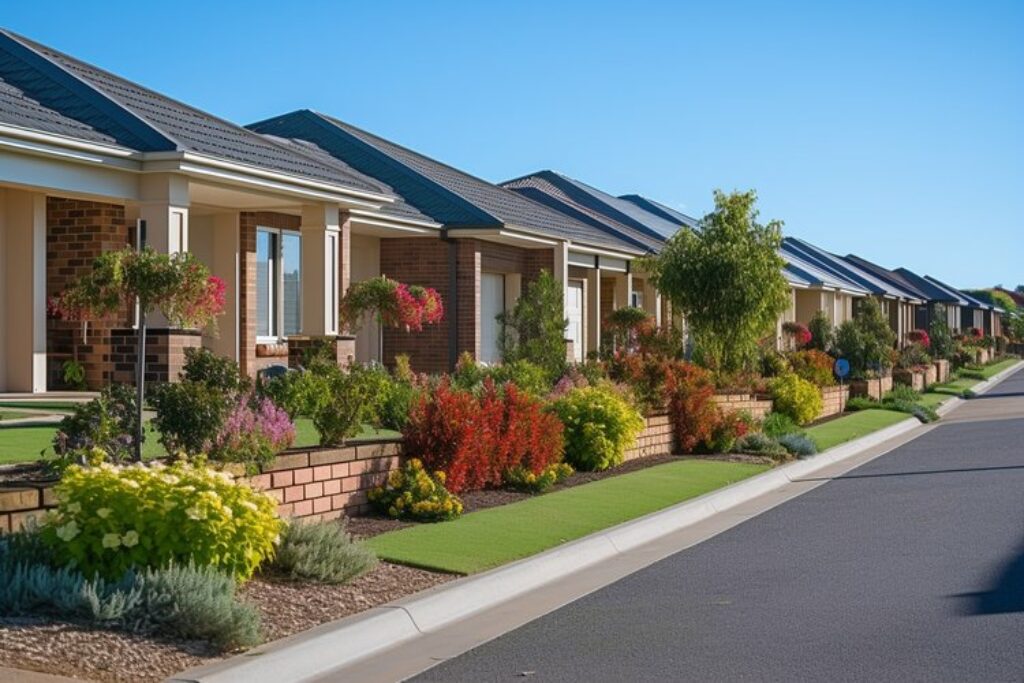
Understanding the Cost of Retirement Communities
The cost of retirement communities is a significant concern for many individuals planning their golden years. Pricing for retirement villages varies widely, influenced by location, amenities, and the level of care provided. Potential residents should anticipate a range of pricing models, including entrance fees, monthly service fees, and pay-as-you-go options, allowing for greater flexibility.
Location remains a primary factor in determining retirement village prices. Urban areas tend to be more expensive due to higher real estate costs but offer more extensive amenities and easier access to healthcare facilities. Conversely, rural or suburban retirement communities might provide more affordable options with a quieter lifestyle. Prospective residents should weigh the pros and cons of each setting to find the best fit for their needs and budget.
In addition to location, the variety of services and amenities offered can significantly impact the cost. Retirement communities are expected to compete not only on the quality of care but also on the lifestyle experiences they offer. From gourmet dining and wellness centers to cultural events and educational programs, these communities aim to create vibrant environments that cater to varied interests and preferences.
Independent Living Amenities and Services
Independent living facilities have evolved to offer a plethora of amenities designed to enhance the quality of life for their residents. These facilities focus on promoting active and engaged lifestyles for seniors who seek to maintain their independence while enjoying community living.
Many independent living communities now feature state-of-the-art fitness centers, swimming pools, and walking trails to encourage physical activity. Additionally, cultural and recreational activities, such as art classes, book clubs, and travel excursions, are becoming standard offerings. These activities not only promote physical health but also foster social connections and mental well-being.
The integration of smart home technology is another trend gaining momentum in senior housing. Smart thermostats, lighting, and security systems provide convenience and safety, allowing seniors to manage their environments efficiently. Voice-activated assistants and health-monitoring devices further support seniors in maintaining their independence while offering peace of mind to their families.
Financing Options for Senior Living
Financing a move to a retirement community is a critical aspect of planning for many seniors and their families. Understanding the available financing options can help alleviate concerns about affordability and enable individuals to make informed decisions about their living arrangements.
One common option is the sale of the family home, which often provides the necessary capital to cover entrance fees and ongoing costs. Additionally, some retirees may choose to rent their homes to generate a steady income stream to finance their living expenses in a retirement community.
Long-term care insurance is another valuable resource for covering the costs associated with assisted living services or nursing care if needed. Seniors should review their insurance policies to understand what is covered and consider purchasing additional coverage if necessary.
For those needing additional financial support, various government programs and veterans’ benefits may offer assistance. It’s crucial for seniors and their families to research and understand these options to maximize their benefits.
Assisted Living and Elderly Care Facilities
Assisted living facilities and elderly care homes provide essential services for seniors requiring varying levels of assistance with daily activities. These facilities are expected to continue evolving, offering more personalized and comprehensive care tailored to individual needs.
Assisted living services typically include help with bathing, dressing, and medication management, while also providing social and recreational opportunities. As the demand for these services grows, facilities are increasingly adopting person-centered care models, focusing on the unique preferences and needs of each resident.
Furthermore, the integration of healthcare services within these communities is becoming more common. On-site medical care, rehabilitation services, and access to specialized healthcare providers are vital components of modern elderly care facilities. This approach not only enhances the quality of care but also ensures residents can age in place comfortably.
The landscape of senior housing is poised for significant transformation, offering a wide array of options to meet the diverse needs and preferences of the aging population. From cost considerations and independent living amenities to financing strategies and assisted living services, seniors and their families have numerous factors to consider when planning for the future.
Embracing these trends and understanding the available options can empower seniors to make informed choices that align with their lifestyles and financial situations. As the industry continues to innovate and adapt, the future of senior living promises to be vibrant, self-sufficient, and fulfilling for active adults seeking to enjoy their retirement years.
Disclaimer: This article is for informational purposes only and should not be considered as medical or financial advice. Please consult with a professional for personalized guidance.